
Dollar Tree Foam VS Depron Foam
Micro RC airplanes are small scale models of real-life aircraft that are operated remotely using radio-control technology. These miniature planes are typically powered by electric motors and can fly indoors or outdoors. Micro RC airplanes typically have smaller wingspans than their full-sized counterparts and are designed to be flown in smaller areas than larger aircraft.
Because of their small size and light weight, micro RC airplanes are usually made from foam such as Dollar Tree foam or Depron foam. Dollar Tree foam is a type of foam board that is made from recycled materials and is used for a variety of projects, from crafts to RC airplanes. It is lightweight and easy to cut and shape, making it ideal for construction projects. Dollar Tree foam is also very affordable, which makes it an attractive option for those on a budget.
Depron foam is a more expensive type of foam that is used in micro RC airplanes. It is a lightweight foam with a closed-cell structure, which makes it more rigid and durable than Dollar Tree foam. The foam is also easier to work with, allowing for more intricate detail in the construction process. Depron foam is more expensive than Dollar Tree foam, but it is also more durable and provides more detailed construction work.
Overall, both Dollar Tree foam and Depron foam can be used in the construction of micro RC airplanes. Each type of foam has its own advantages and disadvantages, so it is important to consider your budget and the desired level of detail when choosing the foam for your project. Additionally, the type of foam chosen for the construction of the micro RC airplane will also affect the overall performance of the plane. Therefore, it is important to choose the best foam for your project that will provide the desired level of performance.
Two of the most well-liked possibilities for choosing the ideal foam material for making mini RC airplanes are Depron foam and foam from Dollar Tree. Before choosing between these two materials, it’s crucial to understand how they differ in terms of advantages and disadvantages.
First off, Dollar Tree foam is a form of cheap, readily accessible foam board. For those who are new to building tiny RC airplanes, this type of lightweight, cut-and-shape-easy foam is a perfect option. Although it can be utilized to create bigger RC planes, the lightweight nature of the foam makes it susceptible to tearing or damage while in flight.
Depron foam, on the other hand, is a stronger material that is used in the RC industry. It can take more wear and tear because it is significantly tougher and more stiff than foam from Dollar Tree. Additionally, it is significantly more expensive than foam from Dollar Tree, but the superior materials and long lifespan make the price difference worthwhile. Depron foam is also considerably simpler to deal with because it can be cut and shaped more easily than foam from Dollar Tree.
In the end, the sort of RC plane you want to build will determine whether you should use Depron foam or foam from Dollar Tree. Dollar Tree foam is an excellent choice if you’re just starting out and want to try your hand at making a small RC plane. However, Depron foam is the way to go if you’re searching for a more robust and long-lasting material. The decision is ultimately up to you!
II. A comparison of Depron foam with Dollar Tree foam
Dollar Tree foam and Depron foam are two common types of foam materials utilized in the realm of micro RC airplanes. Despite the fact that they are both excellent materials, they do differ in several ways. We’ll compare Dollar Tree foam and Depron foam in this blog post and go over their advantages and disadvantages.
The price is the main distinction between Depron foam and foam from Dollar Tree. Depron foam is substantially more expensive than the foam from Dollar Tree. Foam from Dollar Tree is available in sheets, making it simple to cut and shape. Additionally, it is reasonably lightweight, which makes it perfect for building little RC aircraft. The weakness of Dollar Tree foam is that it is less robust and long-lasting than Depron foam. Being limited in terms of color and texture makes it more difficult to customize.
Contrarily, Depron foam is significantly more expensive than foam from Dollar Tree. But it is also significantly more robust and long-lasting. Additionally, it may be customized with a selection of hues and textures, making it perfect for generating unique patterns. Depron foam has the disadvantage of being heavier than Dollar Tree foam and more challenging to cut and shape.
It ultimately comes down to personal opinion when choosing between Dollar Tree foam and Depron foam for micro RC airplanes. Foam from Dollar Tree is the best option if you want a lightweight material that is simple to cut and shape. Depron foam is a great option if you’re searching for a more robust substance that can be personalized with color and texture. In the end, it is up to you to choose the material that best suits your requirements.
A. Resilience
When creating and flying micro RC airplanes, durability is a crucial consideration. Although Depron foam and Dollar Tree foam have both been used in micro RC airplanes, there are a few significant variances between the two that could affect the plane’s long-term durability.
Due to its low cost and accessibility, foam board from Dollar Tree is a type that is frequently used in do-it-yourself projects. The foam often has a white or pink tint and varies in thickness depending on the manufacturer. Dollar Tree foam serves as the heart of many tiny RC airplanes, offering a portable and reasonably priced base for the aircraft’s parts.
On the other hand, Depron foam is a kind of foam board made especially for model airplanes. It is far thicker than foam from Dollar Tree and is often white in hue. Additionally much more durable and less prone to warping or bending than Dollar Tree foam is Depron foam. As a result, it is a fantastic option for micro RC airplanes because it can offer greater structural reliability and durability.
Since it is lightweight and reasonably priced, foam from Dollar Tree might be an excellent option for micro RC airplanes when it comes to durability. However, Depron foam is a better option for long-term durability because it is typically more robust and offers better structural integrity. Depron foam is also less likely to distort or bend, making it a better choice for use in aircraft that are exposed to the elements, experience high speeds, or encounter turbulence.
Overall, there are advantages and disadvantages to using Depron foam and Dollar Tree foam in tiny RC airplanes. While Depron foam is more firm and offers superior durability, Dollar Tree foam is more flexible and less priced. The choice of material ultimately comes down to the project’s requirements and the builder’s budget.
B. Cost
Foam from Dollar Tree and Depron are two common materials used while making miniature RC airplanes. Both materials offer advantages and disadvantages, but there are some significant price variations to be aware of.
The price of foam from Dollar Tree is typically fairly inexpensive. This is so because the foam used by Dollar Tree is a sort of recycled foam that is frequently created from used plastic bottles. As a result, you can get the foam for a reasonable price because the cost of production is fairly low. But because it’s recycled, the quality is frequently worse to Depron foam.
Contrarily, Depron foam is a closed-cell foam created especially for RC constructing. This indicates that it is made to be portable, strong, and simple to use. Depron foam typically costs a little more than Dollar Tree foam, although the superior quality is frequently justified by the price difference.
Foam from Dollar Tree is typically less expensive overall, while Depron foam is frequently more valuable due to its higher quality. The choice ultimately depends on the type of airplane being built, the money, and personal preferences.
Weight C.
The kind of foam used in the production of tiny RC airplanes is among the most crucial factors to take into account. Foam from Dollar Tree and Depron are two of the most widely used types. Both have benefits and drawbacks, but there is one crucial distinction that distinguishes these two foams: C Weight.
Foam density is often expressed in terms of C Weight. Grams per cubic centimeter (g/cc) is the unit of measurement. The foam is denser the higher the C Weight. Depron foam typically has a C Weight of roughly 0.6 g/cc, compared to about 0.3 g/cc for foam from Dollar Tree.
What does C Weight for micro RC airplanes actually mean? Well, the more rigid and durable the foam is, the higher the C Weight. Since Dollar Tree foam is less firm than Depron foam, it is more prone to denting and damage during collisions. While being more hard and resilient, depron foam is the opposite. As a result, it is frequently chosen as the foam for micro RC airplanes.
It should be emphasized, nevertheless, that both Depron foam and foam from Dollar Tree offer advantages. Dollar Tree foam is ideal for lightweight, cost-effective structures because it is both lighter and less expensive than Depron foam. While depron foam is more expensive, it is also more robust and long-lasting.
In conclusion, C Weight should be taken into account when selecting a foam for micro RC aircraft. Although Depron foam is more stiff and long-lasting, Dollar Tree foam is lighter and less expensive. Although depron foam is more expensive, it is stiffer and more durable. The best foam for your project will ultimately rely on your needs and budget.
3. Advantages and Disadvantages of Using Dollar Tree Foam for Micro RC Aircraft
Foam is a crucial component that can make or break your mini RC airplane when assembling it. Foam from Dollar Tree has grown in popularity among enthusiasts, but before choosing to use it, it’s vital to weigh the benefits and drawbacks. We’ll examine the different benefits and drawbacks of utilizing foam from Dollar Tree for mini RC airplanes in this article.
The fact that Dollar Tree foam is far less expensive than other foams is its first advantage. Expanded polystyrene (EPS) foam, such as the foam offered at Dollar Tree, comes in sheets or blocks. Because they can buy vast quantities of the foam for a small fraction of the price of other materials, it makes it an excellent choice for anyone trying to save money on their build. Additionally, foam from Dollar Tree is a lot lighter than other foams, making it perfect for light airplanes.
The second advantage is that the foam from Dollar Tree is reasonably simple to work with. As it is considerably simpler to cut and shape than other materials, this makes it a fantastic choice for individuals who are just beginning out in the hobby. Additionally, it is highly strong and can endure several collisions without breaking.
The biggest drawback of utilizing Dollar Tree foam for small radio-controlled airplanes is that it isn’t as sturdy as other materials. It is not as strong as other materials, like as Depron foam, which is more frequently used for small RC airplanes, despite being lightweight and rather durable. It might not be able to sustain the strains placed on the aircraft during flight because of this.
In conclusion, anyone wishing to build a mini RC airplane on a budget may find that Dollar Tree foam is a fantastic option. Before making a choice, it’s crucial to weigh the benefits and drawbacks of employing this material. Although it is reasonably simple to work with and lightweight, Depron foam, for example, is stronger. In the end, the choice of material should depend on the needs, financial situation, and level of expertise of the individual.
A. Pros
The argument between Dollar Tree foam and Depron foam is frequently a fierce one when it comes to selecting the best foam for tiny RC airplanes. Dollar Tree foam, commonly referred to as Dollar Store foam, is a cheap foam product that is extensively offered at dollar stores and craft shops. Depron foam, on the other hand, is a more pricey foam that is intended exclusively for use in RC airplanes. We’ll examine the advantages and disadvantages of both foam materials in this article and talk about which one would be the ideal choice for your mini RC airplane.
Let’s first examine the advantages of foam from Dollar Tree. Since Dollar Tree foam is so reasonably priced, it appeals to individuals on a tight budget. Additionally, it is lightweight and simple to use, which may be a huge benefit for individuals who are just getting started with RC airplanes. Additionally, foam from Dollar Tree is available in a huge selection of colors, allowing you to personalize how your airplane looks.
Let’s now examine Depron foam’s benefits. Depron foam is designed specifically for RC airplanes, so it is more durable and better able to handle the stresses of flight. It is also more rigid and has a smoother finish than Dollar Tree foam. Additionally, it is less likely to absorb moisture and is easier to shape, which can be a big advantage for those who are looking for a more professional finish.
When it comes to deciding between Dollar Tree foam and Depron foam for your micro RC airplane, the choice really depends on your budget and what you are looking for in terms of performance. If you are on a tight budget and just starting out with RC airplanes, Dollar Tree foam may be the best option for you. However, if you are looking for a more durable foam that can handle the stresses of flight and provide a smoother finish, then Depron foam may be worth the extra cost. The decision is ultimately up to you!
B. Cons
The debate between Dollar Tree foam and Depron foam in the world of micro RC airplanes has been ongoing for quite some time now. Both materials have their pros and cons, and each has its own unique qualities and benefits. In this blog post, we will explore the differences between the two types of foam and discuss the pros and cons of each.
Dollar Tree foam is a type of foam that is typically used as a cheap substitute for other types of foam. It is often used in the construction of micro RC airplanes because it is lightweight and relatively inexpensive. The biggest con of Dollar Tree foam is that it is not as durable as other types of foam, so it may not last as long as other materials. Additionally, it can be difficult to work with and may not provide the same level of strength and stability as other materials.
Depron foam is a type of foam that is specifically designed for micro RC airplanes. It is lightweight, durable, and provides excellent strength and stability. Additionally, it is very easy to work with and can be cut and shaped into a variety of different shapes and sizes. The biggest con of Depron foam is that it is more expensive than Dollar Tree foam, so it may not be an option for those on a budget.
In conclusion, both Dollar Tree foam and Depron foam have their pros and cons. Dollar Tree foam is lightweight and relatively inexpensive, but it is not as durable as other materials. Depron foam is lightweight, durable, and provides excellent strength and stability, but it is more expensive. Ultimately, it will depend on your budget and the type of project you are working on as to which type of foam is the best option for you.
IV. Pros and Cons of Using Depron Foam for Micro RC Airplanes
Micro RC air planes have become increasingly popular in recent years, and one of the materials used to build them is Depron foam. Depron foam is a lightweight, highly rigid foam that is often used to make RC air planes and other RC models. While there are many advantages to using Depron foam for micro RC air planes, there are also a few drawbacks that should be considered before deciding to use it.
The Pros of Using Depron Foam for Micro RC Airplanes
One of the main advantages of using Depron foam for micro RC airplanes is its lightweight nature. This foam is significantly lighter than other materials used to make RC air planes, such as balsa wood or fiberglass, making it easier to maneuver in the air. This can be especially helpful when flying in windy conditions, as the lighter weight of the plane will make it more resistant to being blown off course.
Another benefit of using Depron foam for micro RC airplanes is its strength and durability. This foam is highly resistant to impact and wear and tear, which can be important for RC airplanes that may take a few crashes during their lifetime. Additionally, it is easy to shape and form into various shapes, which can be useful when creating more complex designs.
The Cons of Using Depron Foam for Micro RC Airplanes
One of the main drawbacks of using Depron foam for micro RC airplanes is its cost. While it is relatively inexpensive compared to other materials, it is still more expensive than some other materials such as balsa wood or fiberglass. Additionally, it may require more time and effort to shape into the desired shape, which can add to the cost of the project.
Another disadvantage of using Depron foam for micro RC airplanes is its lack of structural stability. While this foam is strong and durable, it can be prone to warping and bending over time, which can make the plane difficult to control in the air. Additionally, this material is not as stiff as other materials, which can make it more difficult to maneuver if the plane is not designed properly.
Overall, Depron foam is an excellent choice for micro RC airplanes, as it is lightweight, strong,

 Building
Best Servos for Micro RC Airplanes
Best Servos for Micro RC Airplanes Thank you for visiting my blog on the top servos for mini...
 Flying
Gyro Control in Micro RC Airplanes
Gyro Control in Micro RC Airplanes Gyro control in Micro RC Airplanes is a technology that is used to provide...
 Building
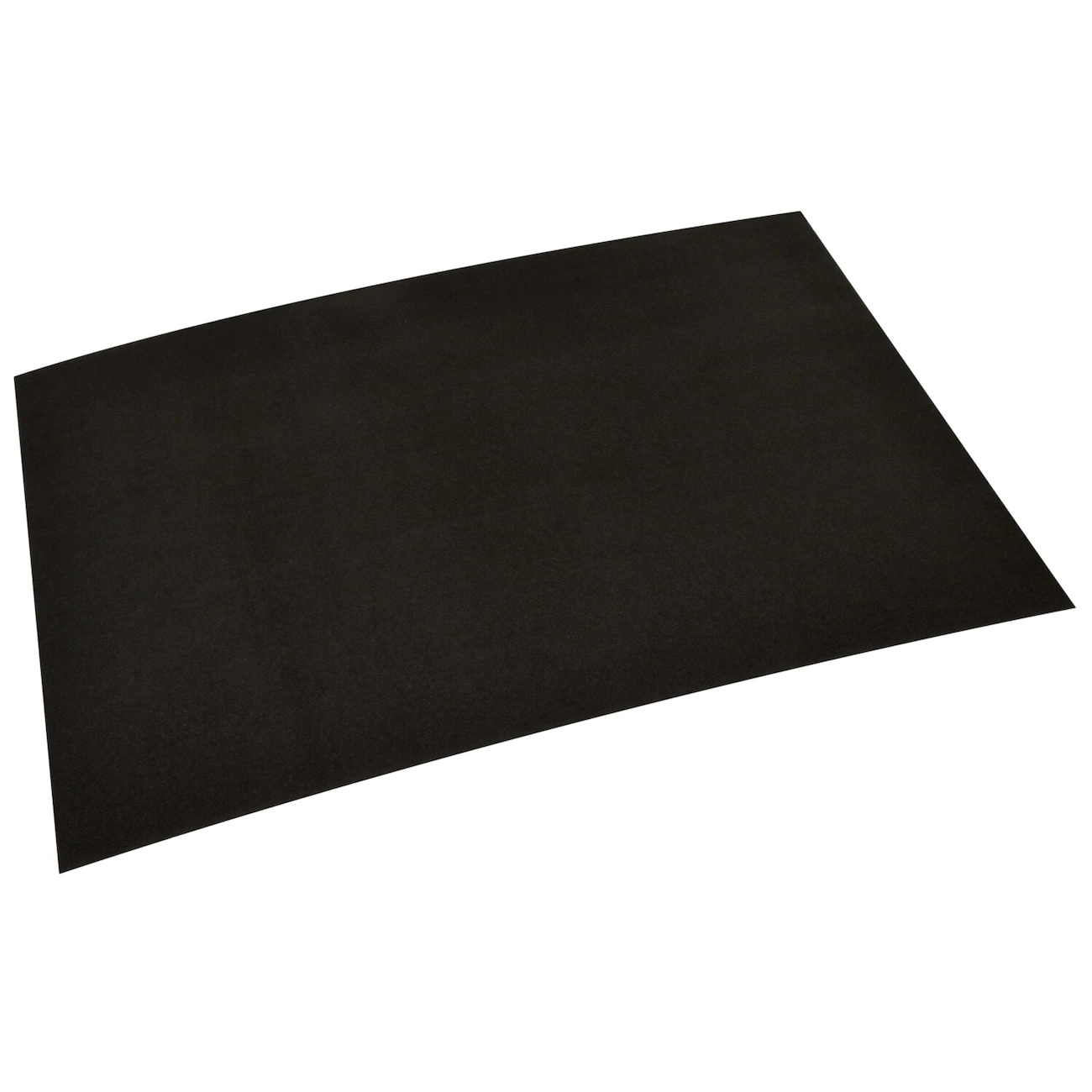
Dollar Tree Foam vs Depron Foam
Dollar Tree Foam VS Depron Foam Micro RC airplanes are small scale models of real-life aircraft that...
 Building
Foam RC Planes for Beginners
https://youtu.be/Hs7QNKN4ec0Using Foam to Create AirplanesFoam Electric RC Plane Designs & PackagesThe majority of RTF RC planes at presents are foam,...
 Flite Test
Flight Test is Fantastic for RC Planes
What is the Flite Test? When two friends decided to develop a web-based radio-controlled aircraft exhibition, Flite Test was born...