
Gyro Control in Micro RC Airplanes
Gyro control in Micro RC Airplanes is a technology that is used to provide stability and control when flying. This technology uses a gyroscope to measure the aircraft’s orientation and then uses this data to adjust the control surfaces and motors of the aircraft in order to maintain a steady and controlled flight. Gyro control in Micro RC Airplanes is an important part of the overall flight performance of the aircraft, and can greatly improve the overall flying experience.
The basics of gyro control in Micro RC Airplanes is fairly straightforward. The gyroscope measures the orientation of the aircraft and then sends this data to the controller. The controller then adjusts the aircraft’s control surfaces and motors in order to maintain a steady and controlled flight. This is done by adjusting the thrust, lift, and drag of the aircraft. The gyroscope also helps with maintaining the aircraft’s orientation in case of any disturbances, such as wind or turbulence.
In addition to providing stability and control, gyro control in Micro RC Airplanes can also help to improve the overall performance of the aircraft in terms of speed, agility, and maneuverability. Gyro control can also help to improve the overall safety of the aircraft, as it can help reduce the likelihood of crashes due to turbulence or wind gusts.
Overall, gyro control in Micro RC Airplanes is an important technology that can greatly improve the overall flying experience. By providing stability and control, as well as improving the overall performance of the aircraft, gyro control can help to make flying a much more enjoyable experience for hobbyists and professionals alike.
What is Gyro Control
Gyro control is a feature found in many small, radio-controlled (RC) aircrafts. It is designed to help keep the aircraft’s wings level and its nose pointed in the right direction. The gyro control system uses a gyroscopic sensor to detect the orientation of the aircraft and adjust the direction of the propeller or other propulsion system accordingly. This helps to stabilize the aircraft, making it easier to fly and giving it greater maneuverability.
Gyro control systems work by detecting the rate of rotation, or “roll”, of the aircraft. The gyroscopic sensor is constantly measuring the rate of rotation and sending a signal to the motor, which then adjusts the direction of the propeller accordingly. This helps to keep the aircraft pointed in the right direction and keeps it from veering off course.
The type of gyro control used in RC aircrafts can vary depending on the size of the model and the type of motor used. Generally, smaller, simpler models will use a basic gyroscope, while more complex models may use a more sophisticated system that combines multiple gyroscopes and even a computer to provide more precise control.
Gyro control systems can also help to reduce the amount of turbulence encountered by the pilot while flying. The gyroscope can detect changes in the orientation of the aircraft and adjust the speed of the motor accordingly, which helps to reduce the effect of wind gusts and turbulence.
Overall, gyro control is an invaluable tool for RC aircrafts. It helps keep the aircraft pointed in the right direction, increases maneuverability, and reduces turbulence. With gyro control, RC aircrafts can be flown safely and easily, making them much more enjoyable for pilots.
Benefits of Gyro Control in Micro RC Airplanes
The use of gyro control in micro RC airplanes has become increasingly popular in recent years. This technology provides a number of benefits, including improved stability, increased maneuverability, and increased safety. In this blog post, we’ll take a closer look at some of the benefits of gyro control in micro RC airplanes.
Improved Stability
One of the primary benefits of gyro control in micro RC airplanes is improved stability. Gyro control helps to keep the plane level during flight, even when there are strong gusts or sudden changes in air pressure. This results in a smoother, more predictable flight and makes it easier to control the plane.
Increased Maneuverability
Gyro control also increases the maneuverability of micro RC airplanes. By providing a steady level of stabilization, gyro control allows pilots to make quick and precise turns or maneuvers with ease. This makes it easier to navigate tight spaces and perform complex stunts.
Increased Safety
Finally, gyro control can help increase the safety of micro RC airplanes. By helping to keep the plane level and stable, gyro control reduces the chances of a crash. This makes it a great choice for those just learning to fly, as it reduces the risk of damage to the airplane and any nearby people or property.
In conclusion, gyro control in micro RC airplanes offers a number of benefits, including improved stability, increased maneuverability, and increased safety. If you’re looking for a way to enhance your flying experience, gyro control is definitely worth considering.
Types of Gyro Control
Gyro control is an important part of the operation of micro RC airplanes. Gyro control helps the plane stay on course despite changing air currents. There are two types of gyro control available for micro RC planes – heading hold and rate mode. In this blog post, we will look at the differences between the two and how they can help you get the most out of your micro RC plane.
Heading hold gyro control is the most basic form of gyro control available. It works by using a small gyroscope inside the plane to sense the direction in which the plane is heading and then adjust the aircraft’s controls accordingly. This type of gyro control is ideal for beginner pilots as it allows them to fly in a straight line without having to constantly make small corrections.
Rate mode gyro control is more advanced and can provide more precise control of the plane. This type of gyro control works by using a combination of sensors and motors to adjust the aircraft’s controls in response to changing air currents. This type of gyro control is ideal for experienced pilots who need a more precise control of their plane and can make the most of their flight time.
Although both types of gyro control can be useful, it’s important to understand which type is best for your particular flying style and skill level. Head hold gyro control is best for beginner pilots, while rate mode is more suitable for experienced pilots. Ultimately, the type of gyro control you choose will depend on your experience level and flying preference. With the right gyro control, you can get the most out of your micro RC plane.
Standard Gyro Control
A gyro control is an essential component of micro RC airplanes. It is responsible for the stability and agility of the aircraft. The gyro control helps the airplane maintain its heading and altitude, even in changing wind conditions and other external forces. Gyro controls are typically made up of two components: a receiver and a servo. The receiver is responsible for receiving commands from the transmitter and relaying them to the servo, which then controls the aircraft’s direction and stability.
The standard gyro control system works by using a servo to rotate an axis on the aircraft. This axis is typically on the tail section of the aircraft. By rotating this axis, the airplane’s heading can be controlled in order to keep it stable. The receiver then sends commands from the transmitter to the servo, which then adjust the axis accordingly. This helps to maintain the aircraft’s heading and altitude, even in changing wind conditions.
The use of gyro controls has become increasingly popular in micro RC airplanes due to their ability to provide reliable and precise control. With the addition of gyro controls, an aircraft can be flown with greater accuracy and stability, resulting in improved performance and better maneuverability.
Gyro controls can be found in a wide variety of micro RC airplanes, ranging from beginner-level aircraft to more advanced models. As with any component, it is important to ensure that the gyro control is properly installed and calibrated in order to maximize its effectiveness. Additionally, it is important to keep the gyro control in good condition by regularly maintaining and replacing any worn out parts.
Overall, the standard gyro control is a vital component in micro RC airplanes. It provides the aircraft with greater stability and agility, allowing it to be flown with more precision. With proper installation and maintenance, the gyro control can provide reliable and accurate control and help to enhance the performance of any micro RC aircraft.
Advanced Gyro Control
When it comes to micro RC airplanes, having a reliable and precise gyro control system is essential for smooth and accurate flight. Gyro control systems help stabilize the aircraft in the air and improve the overall handling and performance.
Application of Gyro Control
Over the past few years, gyro control has become increasingly popular in the world of micro RC airplanes. Gyro control is a type of system that uses gyroscopes to provide stability and control to a remote-controlled aircraft. This technology is used mainly in small-scale RC planes, as it is more cost-effective and easier to install than larger, more complex systems.
Gyro control systems work by sensing the aircraft’s attitude and orientation and then providing appropriate corrective forces to maintain the desired flight path. The system can also be used to provide additional stability to the aircraft, which is particularly useful in windy conditions. Gyro control systems can be used to maintain a steady flight path, even in turbulent air.
The main benefit of gyro control is that it helps to reduce the amount of effort and skill required to fly an RC aircraft. By providing stability and control, the pilot is able to concentrate on other aspects of the flight, such as navigation and maneuvering. This can be particularly beneficial for novice pilots who are still learning the basics of RC flying.
Gyro control systems can also be used to improve the performance of an RC aircraft. By providing additional stability, the aircraft is able to fly faster and more efficiently. This can be particularly useful in racing, where speed is of the essence.
Finally, gyro control systems can also be used to improve safety. By providing additional stability, the aircraft is less likely to suffer from sudden, uncontrolled movements which could lead to damage or a crash. This additional stability can also help to reduce the risk of a mid-air collision with another aircraft.
Overall, gyro control technology offers a number of advantages for micro RC aircraft. It provides additional stability and control, which can help to reduce the skill required to fly the aircraft and improve performance. It can also help to improve safety, making it an ideal choice for novice pilots.
Controlling the Roll Axis
In the world of micro RC airplanes, controlling the roll axis is a crucial part of successful flight. Roll control is the primary means of changing the direction of the aircraft and is typically achieved through a combination of the rudder, ailerons, and elevator. The roll axis is the rotational axis of the airplane around its longitudinal axis, perpendicular to the pitch and yaw axes.
The roll axis is typically controlled by the ailerons and rudder, which are small flaps located on the wings and tail of the aircraft. The ailerons are linked together and they move in opposite directions when the pilot applies a roll command. This causes one wing to drop and the other to raise, and the aircraft will turn in the direction of the lowered wing. The rudder is located at the back of the aircraft, and it is used to provide additional roll control and stabilization.
Gyro control is also used to help control the roll axis. Gyros are typically used in conjunction with the ailerons and rudder to provide extra stability and control. Gyros sense any changes in the aircraft’s attitude and issue commands to the ailerons and rudder to correct it. This helps the pilot maintain control of the aircraft even in gusty conditions.
In addition to ailerons and rudder, other control surfaces can also be used to help control the roll axis. Spoilers, split flaps, and leading edge slats can all be used to provide extra stability and control. Each of these has its own unique advantages and disadvantages, so it is important to understand which is best suited for a particular application.
Controlling the roll axis is a critical part of successful flight. A combination of ailerons, rudder, and other control surfaces, along with gyro control, can help to provide a stable and responsive platform for the pilot to control the aircraft. It is important to understand the different types of control surfaces and how they can be used to control the roll axis in order to ensure a successful flight.
Controlling the Yaw Axis
The yaw axis is an important component of gyro control in micro RC airplanes and refers to the rotation of the aircraft around its vertical axis. It is responsible for the left and right turns of the aircraft and is an essential part of maintaining accurate flight control. Controlling the yaw axis is made possible through a variety of techniques, including the use of a tail rotor, rudder, and aileron control.
A tail rotor is a device attached to the tail of the aircraft that is used to generate thrust in the opposite direction of the rotation of the main rotor. This thrust helps to counteract the rotational force of the main rotor and thus, allows the aircraft to turn in the desired direction. The tail rotor is typically controlled using a servo or a radio control system.
The rudder is a movable surface on the back of the aircraft that is used to control the direction of the aircraft’s flight. It is linked to a control stick or wheel and can be used to turn the aircraft left and right. The rudder is also used to control the degree of bank angle when the aircraft is turning.
The aileron control is a system of two movable surfaces located on the wings of the aircraft. By moving the ailerons in opposite directions, the pilot can control the roll of the aircraft. This allows the aircraft to turn left and right. The ailerons can also be used to control the degree of bank angle when the aircraft is turning.
By combining the use of the tail rotor, rudder, and aileron control, pilots are able to precisely control the yaw axis of their micro RC airplanes. This allows them to accurately maneuver their aircraft and maintain a steady flight path. As such, controlling the yaw axis is an essential component of successful gyro control in micro RC airplanes.
Advantages of Gyro Control in Micro RC Airplanes
The wonders of modern technology have allowed us to enjoy a variety of remote-controlled (RC) airplanes and other devices. Among these are micro RC airplanes, which are small versions of full-sized airplanes. They come with a variety of features, and one of the most important of these is gyro control. This is an advanced technology that helps stabilize the plane and make it easier to fly. In this blog post, we’ll take a look at some of the advantages of gyro control in micro RC airplanes.
The first advantage of gyro control is that it helps to stabilize the plane and make it easier to maneuver. This is especially important when flying in windy conditions, as the gyro can help keep the plane from veering off-course. The gyro also helps to reduce vibrations, making it easier to fly the plane smoothly and accurately. This can be especially beneficial for pilots who are new to the hobby.
Another advantage of gyro control is that it can be used to increase the accuracy of the plane. This means that pilots can fly the plane more precisely and get better results. This is especially useful for tasks such as racing or performing aerobatic maneuvers, where accuracy is essential.
Finally, gyro control can help to reduce the wear-and-tear on the plane. By keeping the plane stable, it reduces the amount of strain placed on the wings, motors, and other components. This can help to extend the life of the plane, making it a more cost-effective investment.
In conclusion, gyro control can be a great addition to any micro RC plane. It can help to stabilize the plane and make it easier to fly, increase the accuracy of the plane, and reduce the wear-and-tear on the plane. All of these advantages make gyro control an important feature to look for when purchasing a micro RC plane.
Improved Stability
The gyro control of micro RC airplanes is an important feature that helps pilots maintain control and stability in the air. It is a sophisticated system that helps to keep the aircraft in a steady state, even when there are gusts of wind or changes in the environment. By using a gyro control system, the aircraft can remain in a stable flight, allowing the pilot to focus on other aspects of flying.
In recent years, advances in technology have helped to improve the stability of micro RC airplanes. With the help of advanced gyro control systems, pilots can now enjoy more stable flights with less effort. These systems use sensors to detect changes in the environment and then adjust the aircraft’s attitude accordingly. This means that the aircraft can remain in a steady state even when there are gusts of wind or other environmental changes.
The improved stability of micro RC airplanes also helps to reduce the risk of crashes. With the help of gyro control systems, pilots can maintain a steady state and avoid potential accidents. Additionally, the improved stability also helps to reduce fatigue and stress, making it easier for pilots to focus on flying.
Overall, the improved stability of micro RC airplanes is a huge benefit to pilots. By using advanced gyro control systems, pilots can now enjoy more stable flights with less effort. This technology has helped to improve the safety of flying and has made the experience of flying micro RC airplanes much more enjoyable.
Disadvantages of Gyro Control
Gyro control is an important component of micro RC airplanes, but it also has its drawbacks. Gyro control is an electronic device that is mounted on the model airplane and is designed to make the plane more stable and easier to fly. While it is a great tool for beginners and experienced pilots alike, there are some disadvantages to using gyro control.
The most notable disadvantage is that it can be difficult to adjust the gyro control once it is installed. This is because the gyro control is typically mounted in a hard-to-reach location and requires specialized tools to adjust it. Additionally, the gyro control can be expensive to purchase and install.
Another disadvantage is that the gyro control can limit the maneuverability of the model airplane. While the gyro control is designed to make the plane more stable and easier to fly, it can also limit the pilot’s ability to perform stunts or other advanced maneuvers.
In addition, the gyro control can be affected by outside influences, such as wind and turbulence. This can cause the plane to become unstable or even crash. For this reason, it is important to avoid flying in conditions that could potentially affect the gyro control.
Finally, the gyro control can be delicate and easily damaged if it is not properly cared for. If the gyro control is not maintained properly, it can become unreliable and cause the plane to become unstable or even crash.
In conclusion, the gyro control is an important component of micro RC airplanes, but it has its drawbacks. While it can make the plane more stable and easier to fly, it can also be difficult to adjust, expensive to purchase and install, limit the maneuverability of the model airplane, and be affected by outside influences. Additionally, it can be easily damaged if not properly maintained. For these reasons, it is important to consider the potential drawbacks of using gyro control when deciding whether or not to install it on a model airplane.

 Building
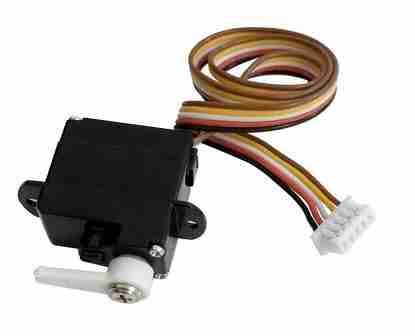
Best Servos for Micro RC Airplanes
Best Servos for Micro RC Airplanes Thank you for visiting my blog on the top servos for mini...
 Flying
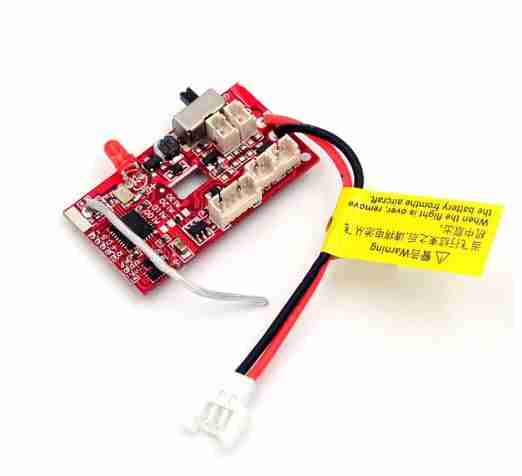
Gyro Control in Micro RC Airplanes
Gyro Control in Micro RC Airplanes Gyro control in Micro RC Airplanes is a technology that is used to provide...
 Building
Dollar Tree Foam vs Depron Foam
Dollar Tree Foam VS Depron Foam Micro RC airplanes are small scale models of real-life aircraft that...
 Building
Foam RC Planes for Beginners
https://youtu.be/Hs7QNKN4ec0Using Foam to Create AirplanesFoam Electric RC Plane Designs & PackagesThe majority of RTF RC planes at presents are foam,...
 Flite Test
Flight Test is Fantastic for RC Planes
What is the Flite Test? When two friends decided to develop a web-based radio-controlled aircraft exhibition, Flite Test was born...